In today’s technology-driven world, uninterrupted power supply is crucial for businesses, data centers, hospitals, and industrial facilities. Power outages or fluctuations can cause significant downtime, data loss, and equipment damage. A large uninterruptible power supply (UPS) plays a vital role in maintaining continuous power and protecting sensitive equipment from electrical disturbances. This article explores the features, benefits, applications, and considerations when choosing a large UPS system.
What is a Large Uninterruptible Power Supply?
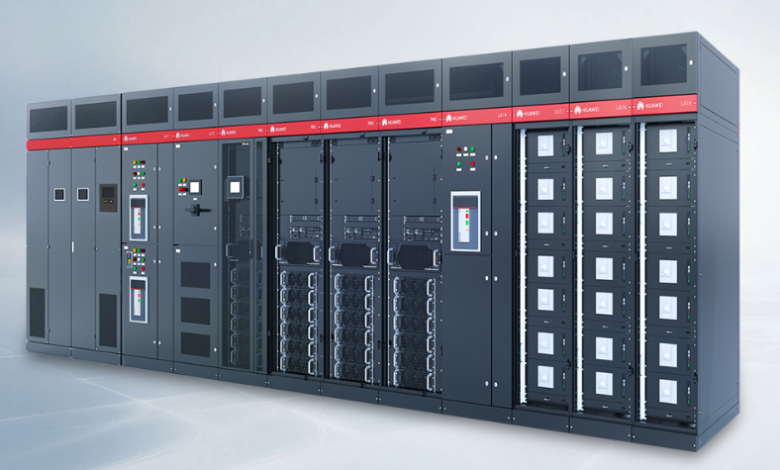
A large uninterruptible power supply is an electrical device designed to provide backup power to critical systems during power failures or voltage irregularities. Unlike small UPS units meant for individual computers or office equipment, large UPS systems are designed for industrial, commercial, and data center applications. They can handle high-capacity loads and ensure operational continuity for extended periods.
Large UPS systems typically range from tens of kilowatts (kW) to multiple megawatts (MW) and consist of advanced battery banks, inverters, rectifiers, and sophisticated monitoring systems. These systems not only provide backup power but also regulate voltage, filter noise, and stabilize frequency, ensuring optimal performance for sensitive electronics.


See also: The Frustrating Reason Your Touchscreen Never Stays Clean
Key Features of Large Uninterruptible Power Supply Systems
- High Capacity Power Handling
Large UPS units are engineered to support substantial electrical loads, making them ideal for data centers, manufacturing plants, and hospitals. Their high capacity ensures that multiple critical systems remain operational during power disturbances. - Advanced Battery Management
Large UPS systems incorporate extensive battery arrays that provide energy storage for minutes to hours, depending on demand. Modern systems use lithium-ion or advanced lead-acid batteries that offer long life and reduced maintenance. - Scalable Design
Many large UPS systems are modular, allowing organizations to scale capacity as their power requirements grow. This ensures flexibility and cost efficiency over time. - Power Conditioning
Large UPS units not only provide backup power but also condition the incoming power. They eliminate voltage sags, surges, and harmonic distortions, ensuring equipment operates smoothly and safely. - Real-Time Monitoring and Control
Sophisticated monitoring systems allow operators to track battery health, load levels, and system performance in real time. Many units offer remote management capabilities for enhanced operational control.
Applications of Large UPS Systems
Large UPS systems are indispensable in environments where power continuity is critical:
- Data Centers: Protect servers, networking equipment, and storage systems from downtime that could lead to financial and data losses.
- Healthcare Facilities: Ensure life-saving equipment, such as ventilators and monitoring systems, remain operational during blackouts.
- Industrial Plants: Maintain production lines, prevent equipment damage, and reduce losses due to unexpected power failures.
- Telecommunication Networks: Keep communication infrastructure functional, ensuring continuous connectivity.
- Financial Institutions: Safeguard online banking, ATMs, and transaction processing systems against interruptions.
Advantages of Large Uninterruptible Power Supply
- Reliability: Continuous power ensures critical systems operate without interruption.
- Protection: Shields sensitive electronics from voltage fluctuations and electrical noise.
- Efficiency: Modern UPS systems are energy-efficient, reducing operational costs.
- Scalability: Modular designs allow expansion as business needs increase.
- Peace of Mind: Organizations can maintain operations and avoid costly downtime during outages.
Factors to Consider When Choosing a Large UPS
- Load Capacity: Assess current and future power requirements to select a UPS that can handle peak loads.
- Battery Runtime: Determine how long the UPS needs to provide backup power during outages.
- Scalability: Ensure the system can expand as your power demands grow.
- Efficiency: Consider high-efficiency models to reduce electricity consumption and operational costs.
- Redundancy: For critical operations, redundant UPS configurations ensure continuous operation even if one unit fails.
- Maintenance Requirements: Evaluate the ease of maintenance, battery replacement, and monitoring features.
Frequently Asked Questions (FAQs)
Q1: How long can a large UPS provide backup power?
A: The backup duration depends on the battery capacity and load. Large UPS systems can provide power from a few minutes up to several hours for critical systems.
Q2: What types of batteries are used in large UPS systems?
A: Common battery types include valve-regulated lead-acid (VRLA), flooded lead-acid, and lithium-ion batteries. Lithium-ion batteries offer longer life, faster charging, and lighter weight.
Q3: Can a large UPS protect against power surges?
A: Yes, large UPS systems provide power conditioning, protecting connected equipment from voltage spikes, sags, and electrical noise.
Q4: Are large UPS systems energy-efficient?
A: Modern UPS units are designed with high efficiency, often exceeding 95%, which helps reduce electricity costs and heat generation.
Q5: Can a large UPS system be expanded?
A: Many large UPS systems are modular, allowing additional capacity or battery modules to be added as the facility’s power requirements grow.
Conclusion
A large uninterruptible power supply is an essential investment for businesses and facilities where uninterrupted power is critical. These systems not only provide backup power but also protect sensitive equipment from voltage fluctuations, enhance operational reliability, and ensure business continuity. By understanding the features, applications, and considerations of large UPS systems, organizations can select the right solution to safeguard their operations, reduce downtime, and maintain efficiency. Investing in a large UPS is not just about power backup—it’s about securing the foundation of modern, technology-dependent operations.